
Septic Installation Built for Belleview Properties
Why Belleview Homes Depend on Proper Septic Systems
Residential lots across Belleview sit on sandy loam soils that drain quickly during dry months but shift dramatically when seasonal rains raise the water table. Properties in subdivisions like Spruce Creek and the surrounding rural corridors rely entirely on onsite septic systems because municipal sewer access remains limited. That fast-draining ground means tank placement, drain field elevation, and pipe grading all need to account for how rapidly water moves through the subsurface. Homes on larger acreage parcels face different installation requirements than those on compact quarter-acre lots in newer developments, and each configuration demands a system matched to the property rather than a standard template pulled from a catalog.
Matching Septic Design to Your Lot Conditions
Older concrete block homes built through the 1970s and 1980s often sit on septic systems that have reached or exceeded their functional lifespan. Replacement installations in these established neighborhoods require careful site evaluation because original drain fields may have compacted over decades of use, and root intrusion from mature oak and magnolia trees can compromise new pipe runs. Meanwhile, new construction in communities south of town sits on formerly agricultural land where soil compaction from equipment and grading alters natural percolation rates. Every installation starts with understanding how the ground beneath a specific parcel actually behaves rather than relying on assumptions about the broader region.
Conventional System Installation
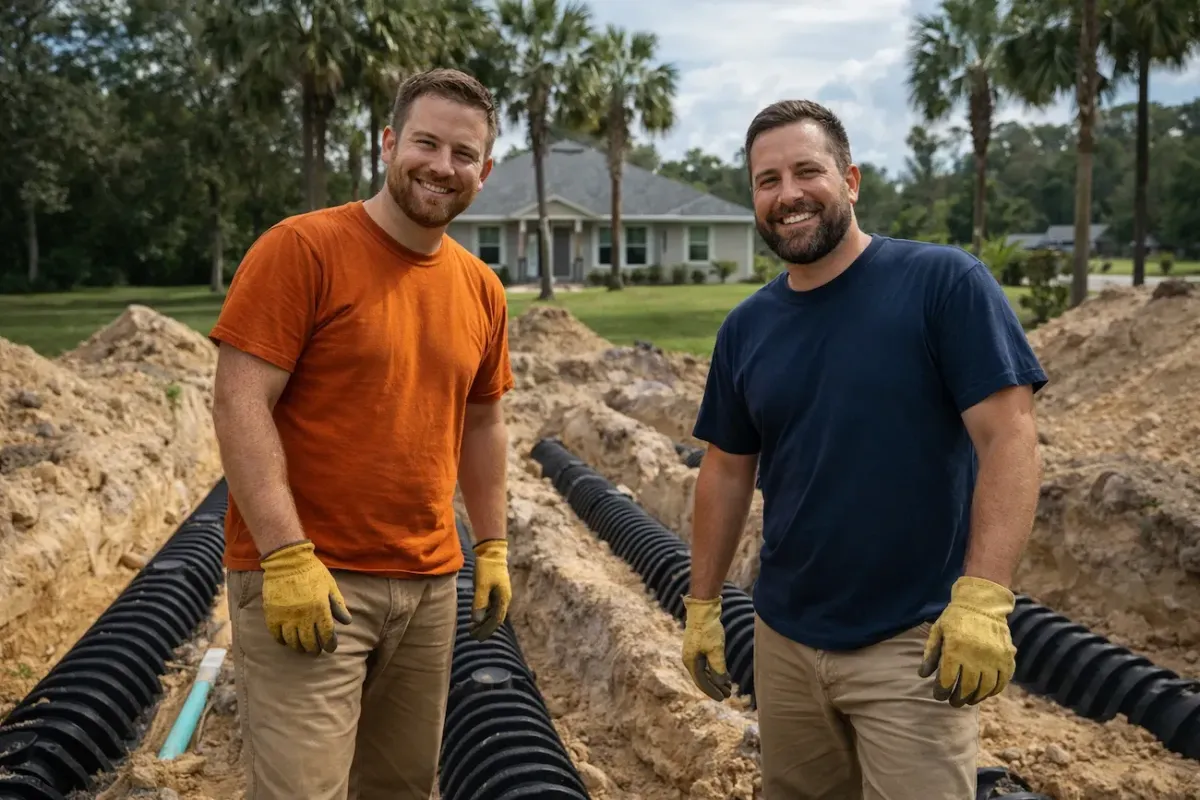
Conventional gravity-fed septic systems remain the standard installation across most Belleview residential properties where soil percolation tests confirm adequate drainage. The process begins with a detailed site evaluation that measures seasonal high water table depth, absorption rates, and setback distances from wells, property lines, and structures. Tank sizing accounts for household occupancy and projected water usage, while the layout positions the drain field to maximize the natural slope of the lot. On sandy parcels common to this part of Marion County, the primary installation consideration is ensuring the system maintains adequate separation between treated effluent and the underlying aquifer.
Drain Field Engineering
Drain field design in Belleview neighborhoods must account for the wide variation in lot sizes and soil profiles found across the area. Properties near established subdivisions often have compact footprints that require careful engineering to fit absorption trenches within available setback zones. Soil testing determines the percolation rate at multiple depths, and that data drives decisions about trench length, spacing, and aggregate depth. Where water table proximity limits conventional trench depth, raised or mound-style drain fields provide the vertical separation necessary for proper effluent treatment before it reaches groundwater.
Aerobic Treatment Unit Setup
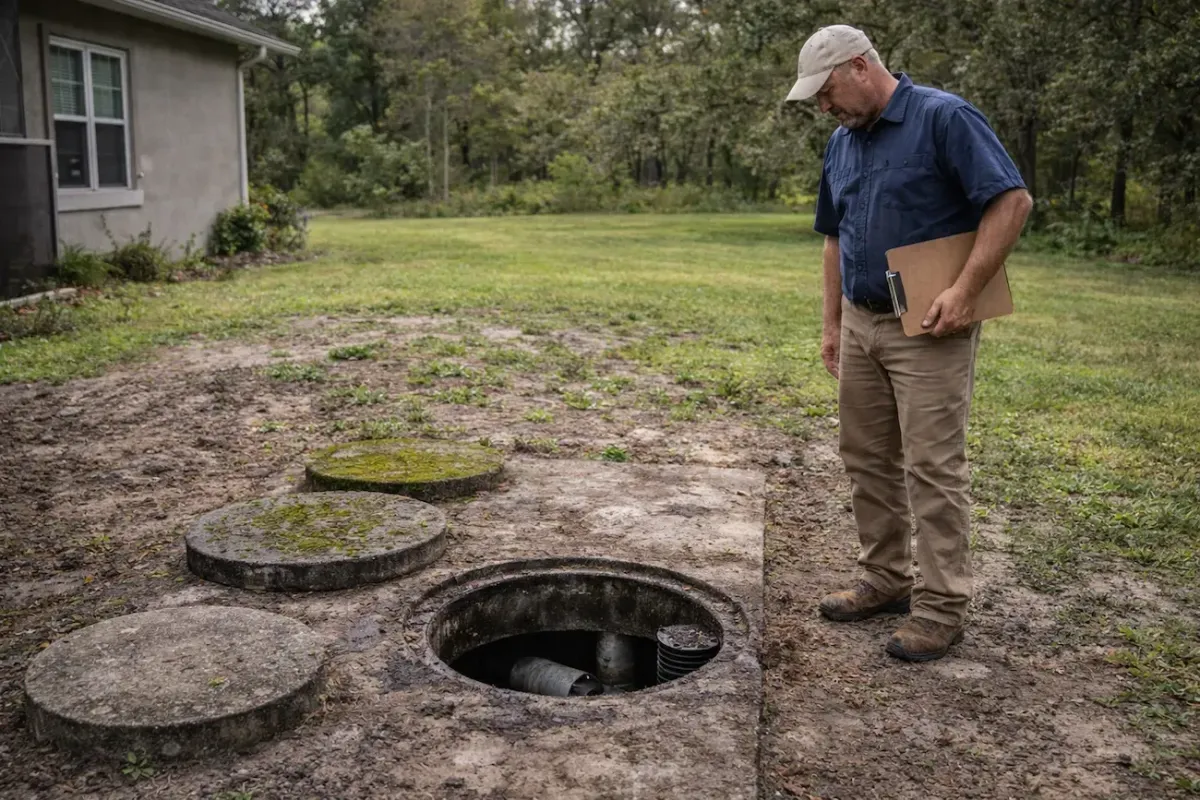
Aerobic treatment units serve Belleview properties where conventional systems cannot meet regulatory requirements due to lot constraints, elevated water tables, or proximity to environmentally sensitive areas. These systems introduce oxygen into the treatment process, breaking down waste more thoroughly and producing cleaner effluent than standard anaerobic tanks. Installation involves additional mechanical components including air pumps, settling chambers, and chlorination stages that require precise calibration during setup. The higher treatment standard makes ATUs the appropriate solution for parcels where soil conditions alone cannot provide adequate wastewater processing.
Ocala's Trusted Septic Experts
Proudly serving Ocala, Belleview, Silver Springs, Dunnellon, Marion Oaks and The Villages for 11+ years.
Comprehensive Septic Services Services in Ocala
Tailored to Your Needs
From new septic installations on vacant lots to emergency repairs on aging systems, our Ocala team handles every aspect of residential and commercial septic work. Each service is backed by licensed professionals who understand Marion County's permitting requirements, soil conditions, and the engineering demands of Florida's high water table environment.
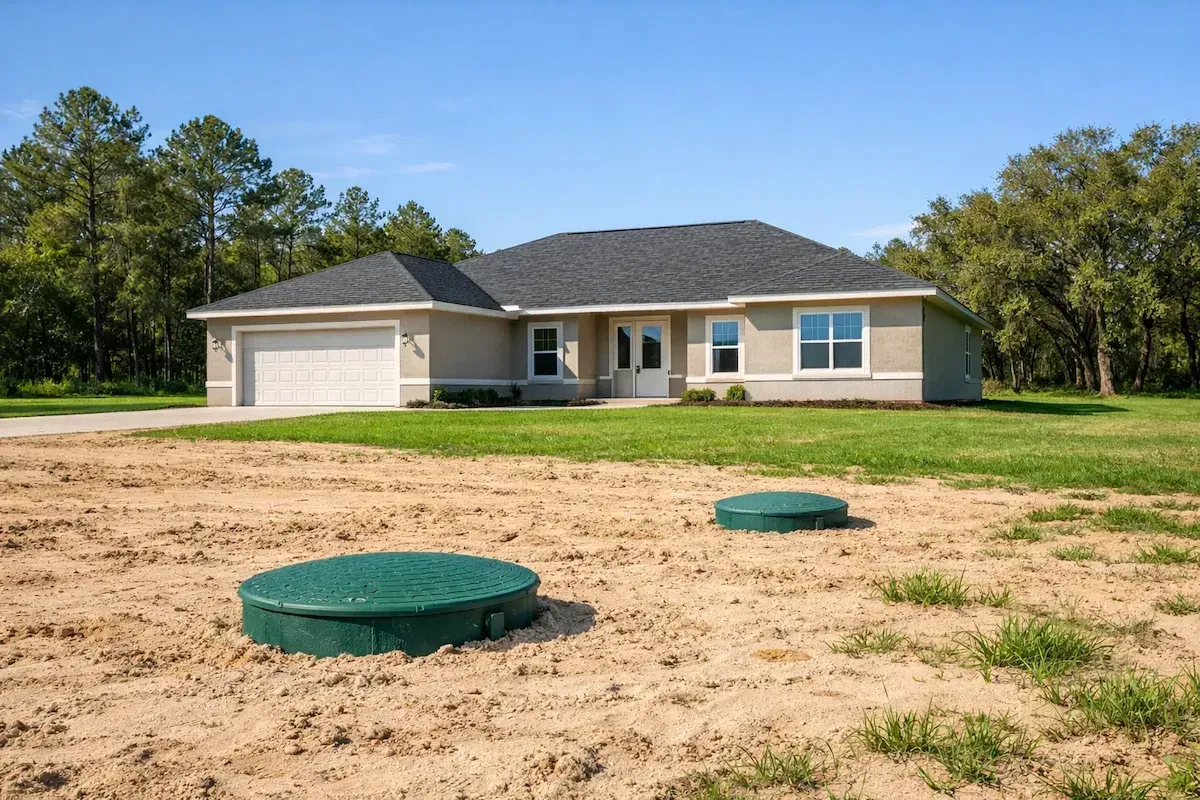
New septic system design and installation engineered for Marion County soil and permitting requirements.
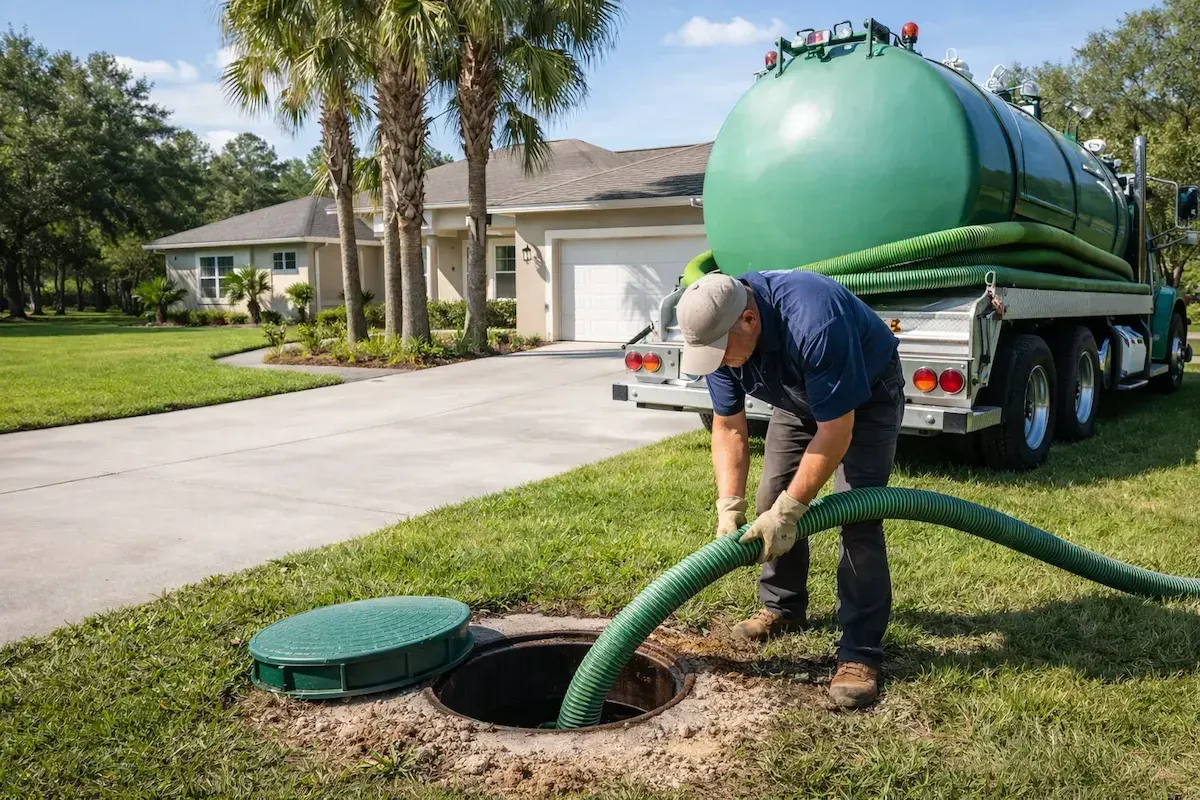
Thorough septic tank pumping with full interior inspection for Ocala homes and businesses.
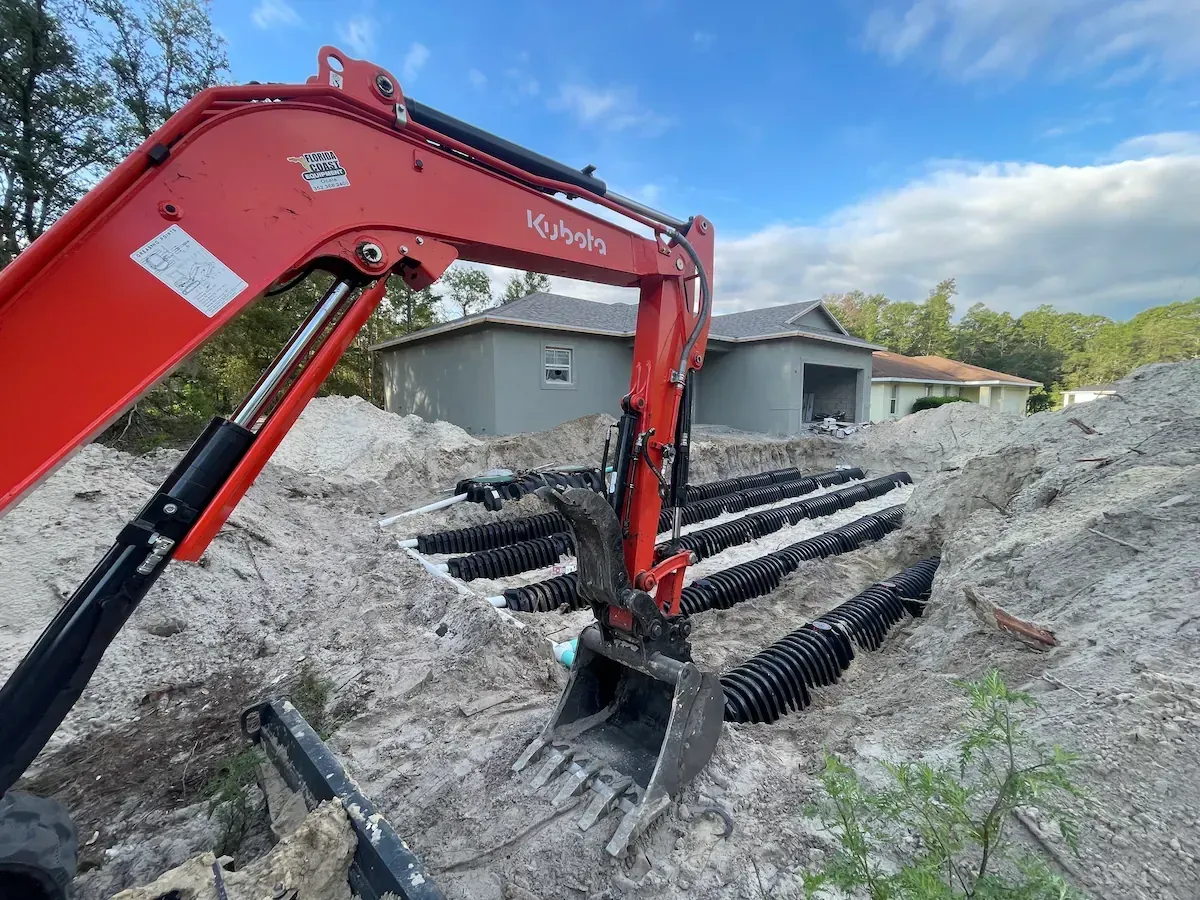
Expert drain field diagnosis, repair, and replacement for properties throughout Marion County.
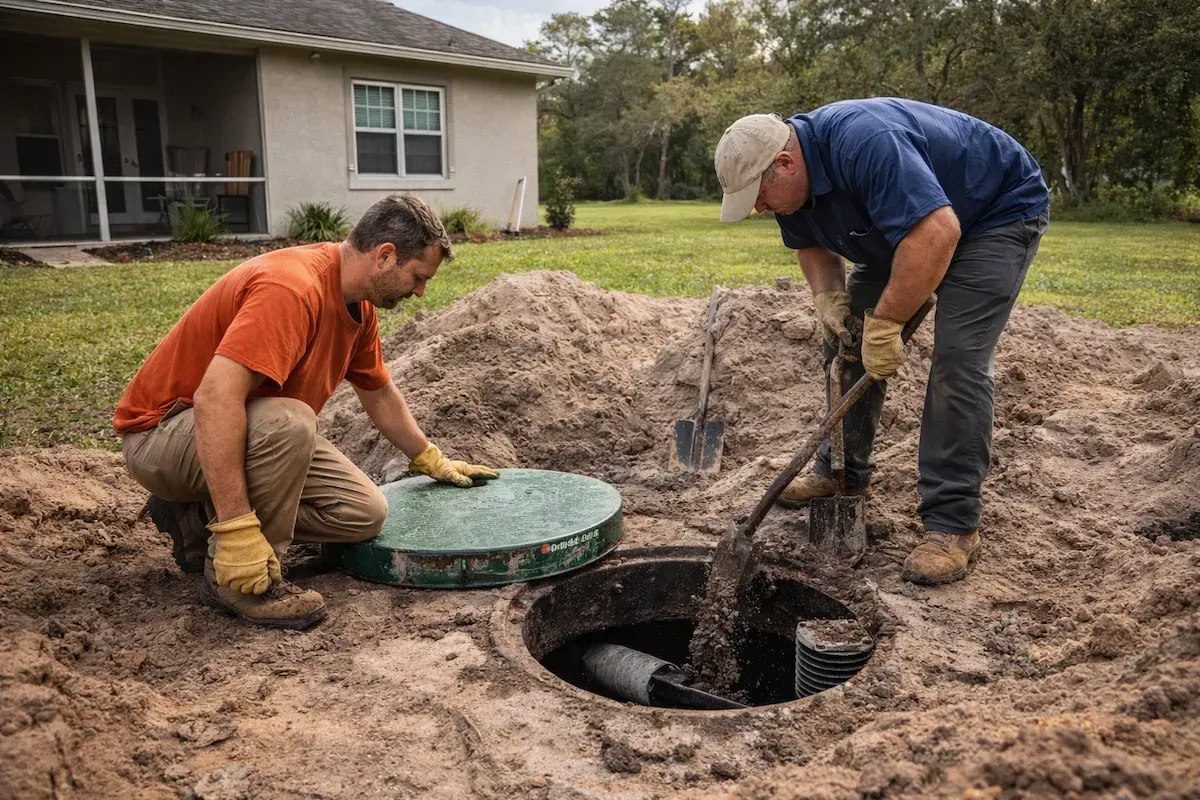
Professional septic tank diagnosis and repair for cracked, damaged, or aging systems in Ocala.
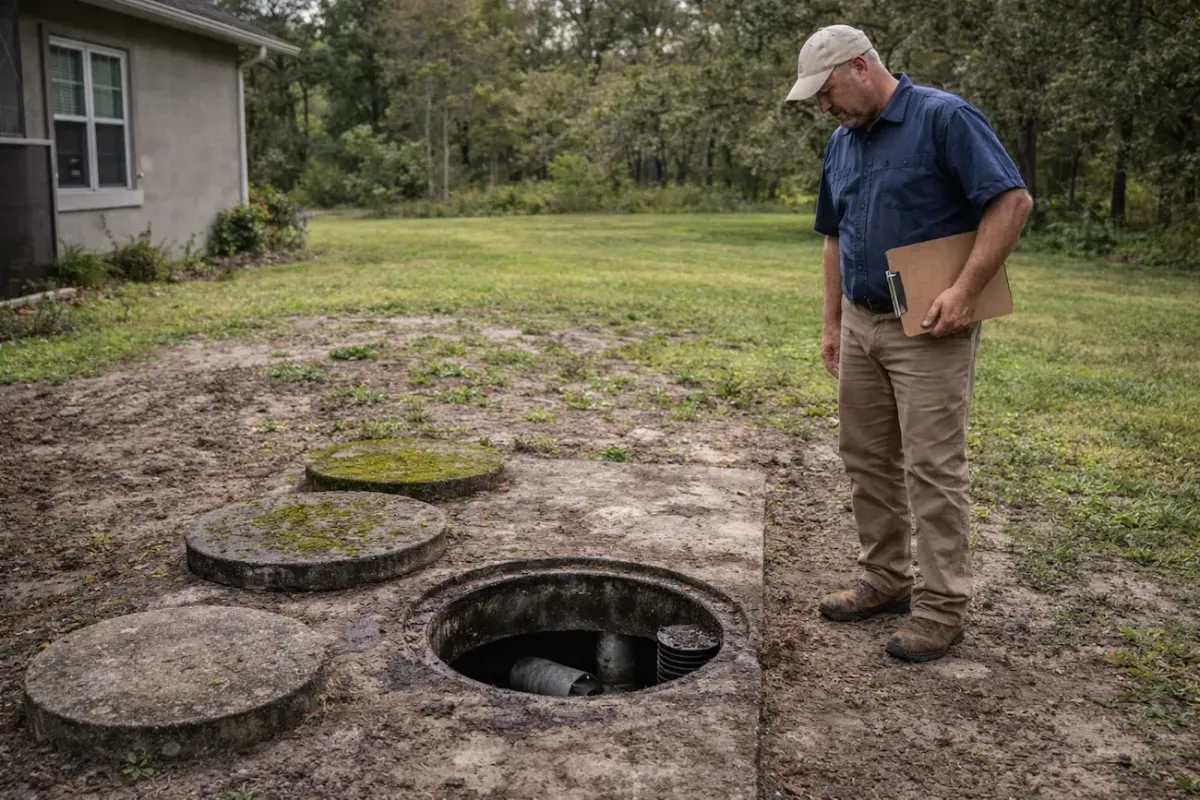
Certified septic system inspections for home buyers, sellers, and routine maintenance in Ocala.
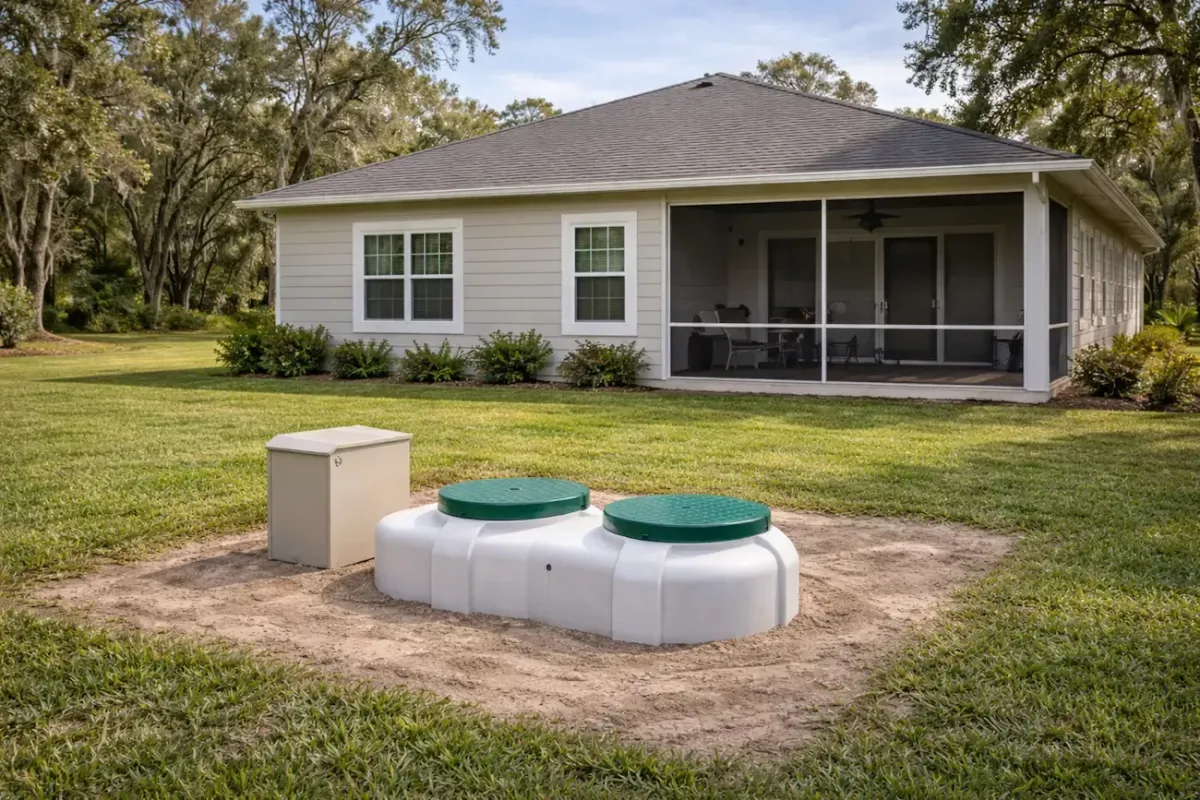
Advanced aerobic treatment unit installation and maintenance for Marion County properties.
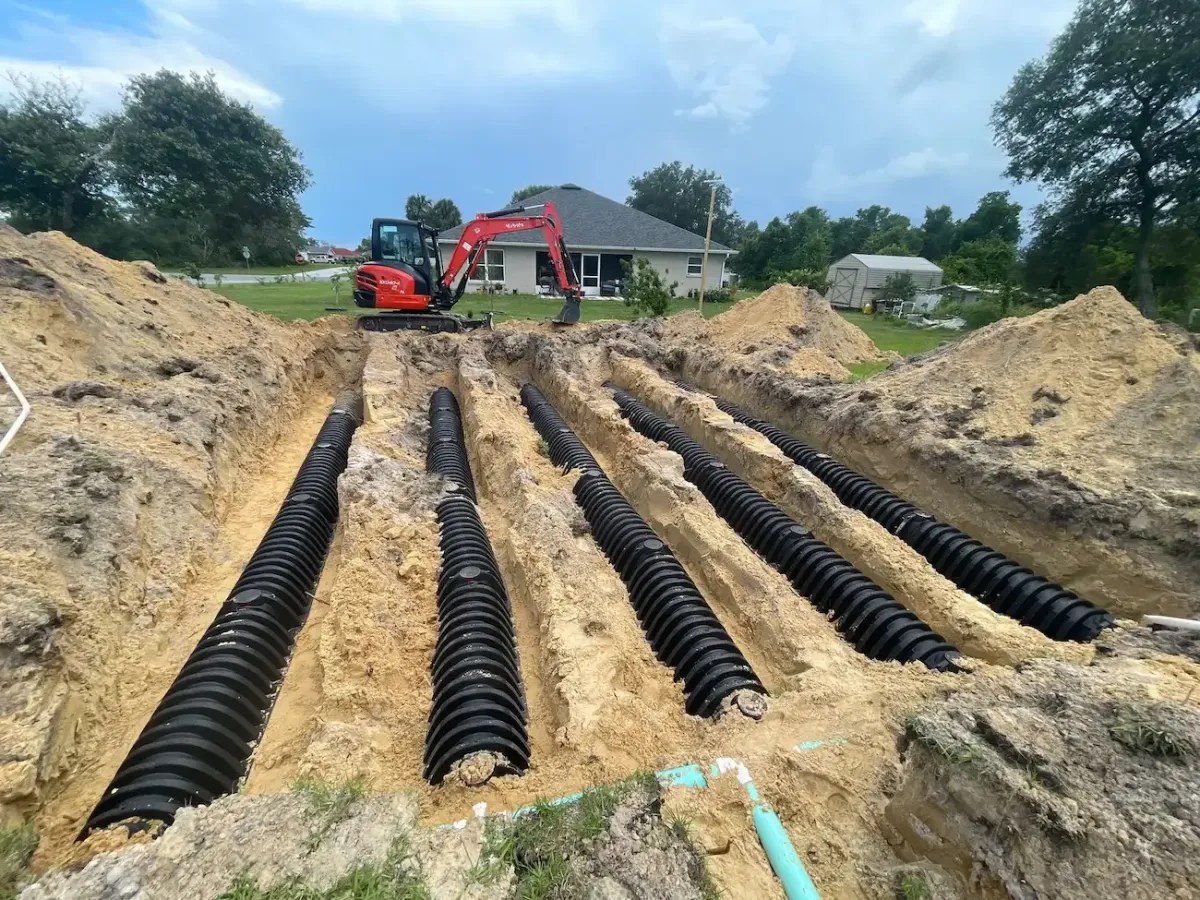
Complete septic system replacement with modern upgrades for aging Ocala properties.
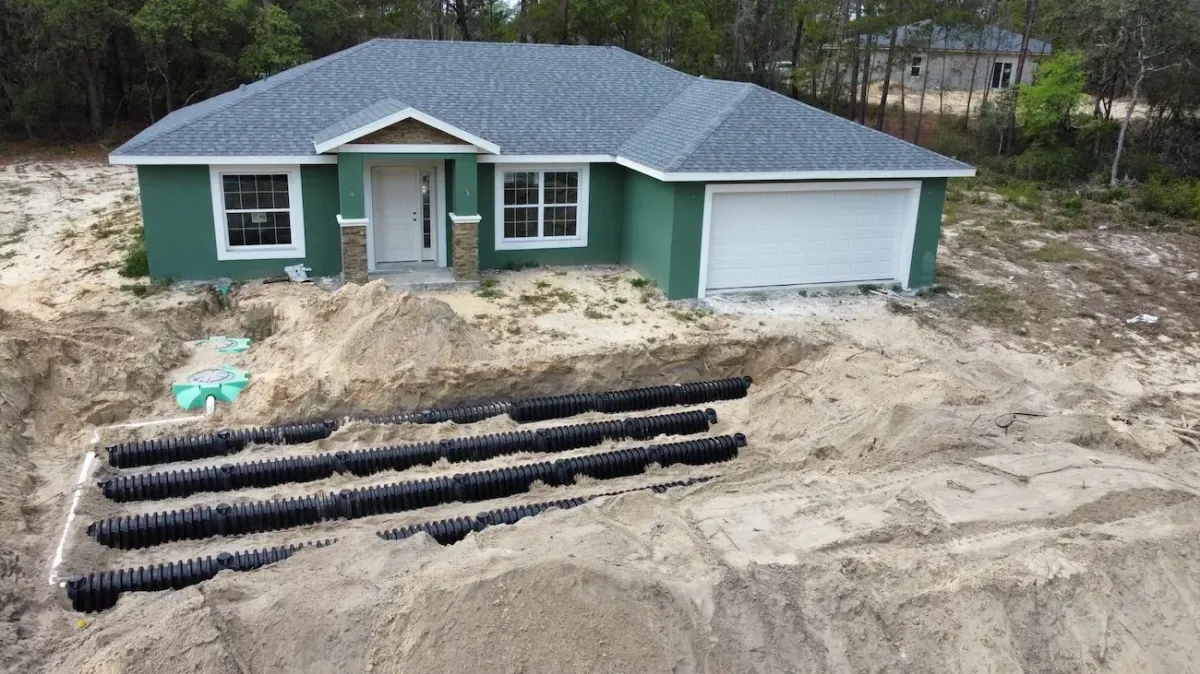
Plumbing repair and installation designed to protect your septic system in Ocala homes.
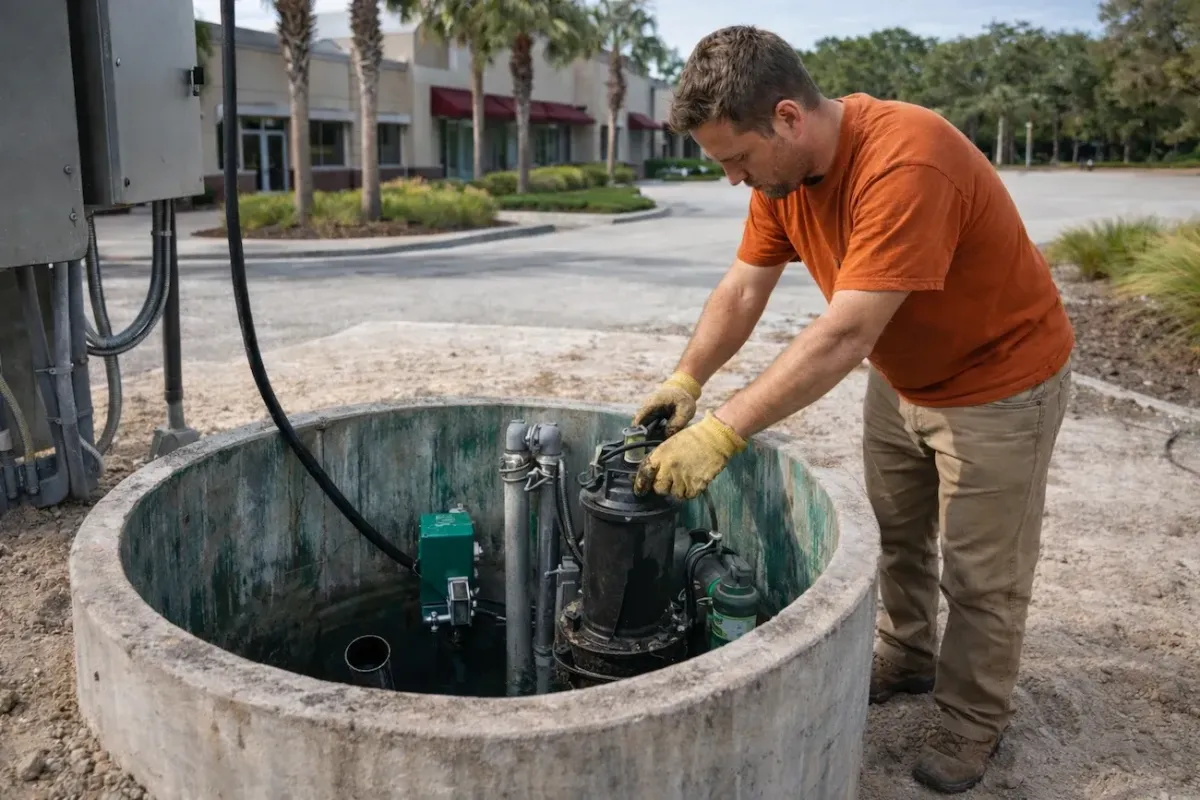
Lift station installation, repair, and emergency pump service for Ocala properties.
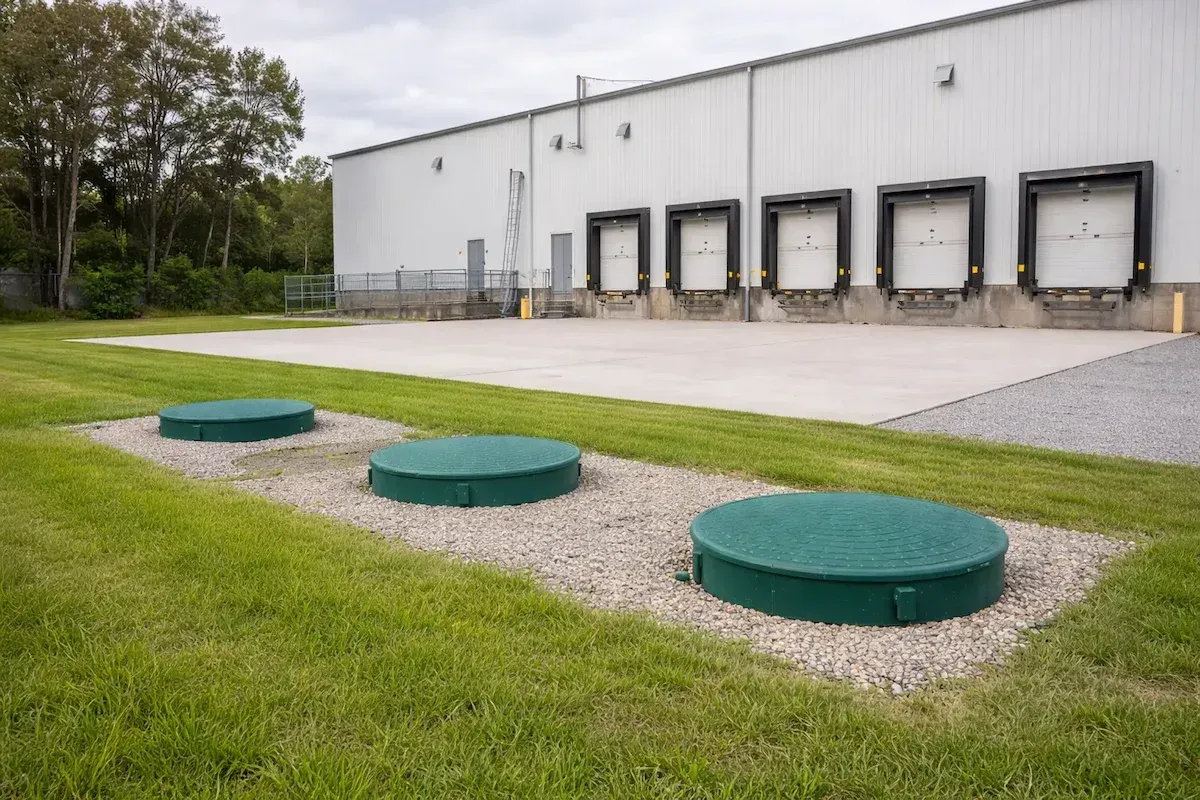
Full-service commercial septic solutions for restaurants, offices, and businesses in Ocala.
Frequently Asked Questions
Septic Services can be complex, and we’re here to provide answers to common questions. Here are some frequently asked questions from our clients.
Frequently Asked Questions about Septic Installation
How long does a septic system last in Florida?
Most conventional septic systems in Marion County last between 25 and 30 years when properly maintained. Florida's sandy soil and high water table can accelerate wear on drain fields and tank components, so routine pumping every three to five years and annual inspections help extend the life of your system significantly.
What are the signs my septic system is failing?
Common warning signs include slow drains throughout the house, sewage odors near the tank or drain field area, standing water or unusually green grass over the drain field, and gurgling sounds in your plumbing. If you notice any of these in your Ocala home, schedule an inspection before minor issues become costly repairs.
Do I need a permit for septic work in Marion County?
Marion County requires a septic permit from the Florida Department of Health before any new installation or major repair. The process includes a site evaluation, soil testing, and system design approval. Our team handles the entire permitting process so you can focus on your project without dealing with county paperwork.
How often should I pump my septic tank?
Pumping frequency depends on your household size and tank capacity. The Florida Department of Health recommends pumping every three to five years for most residential systems. Larger families or homes with garbage disposals may need more frequent service to prevent solids from reaching the drain field.
How long does septic installation take?
A standard septic installation in the Ocala area typically takes between three and five business days once permits are approved. Factors like soil conditions, system type, and weather can affect the timeline. We provide a detailed schedule before breaking ground so you know exactly what to expect.
When is an aerobic treatment unit required?
In areas with high water tables or poor soil percolation, Marion County may require an aerobic treatment unit instead of a conventional system. ATUs use oxygen to break down waste more efficiently and produce cleaner effluent, making them ideal for environmentally sensitive areas throughout central Florida.
Still Have Questions About Septic Installation?
Speak With a Trusted Septic Services Expert Today.
What Our Satisfied Clients Have to Say About Ocala Septic Pros
We pride ourselves on delivering great results and experiences for each client. Hear directly from home and business owners who’ve trusted us with their Septic Services needs.
The Trusted Septic Services Expert Near You
Ready to hear more about expert services at Ocala Septic Pros?
Contact us today to receive a detailed, no-obligation quote.
Serving Parkwood, Grove Park, Island Grove, Crossley, Johnson, Campville & Greater Ocala
Open 24/7 for emergency septic service

